
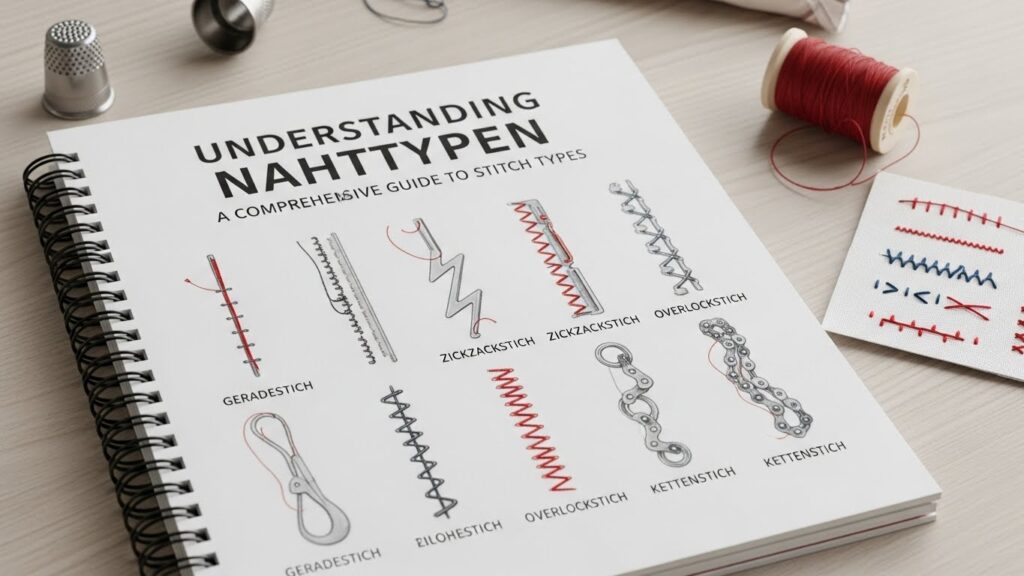
Sewing is an art, a craft that weaves together creativity and precision. At the heart of this craft lies a crucial element: stitch types, or as they are known in German, Nahttypen. Whether you’re a seasoned seamstress or just starting, understanding these stitches can significantly impact your sewing projects.
Stitch types determine not only the strength and durability of your seams but also their aesthetic appeal. With so many options available, from simple straight stitches to intricate decorative patterns, selecting the right Nahttypen can elevate your work from ordinary to extraordinary.
Let’s dive into the world of stitching and explore what makes each type unique!
The Importance of Stitch Types in Sewing
Stitch types play a crucial role in sewing, influencing both the functionality and aesthetics of your projects. Each Nahttypen serves a specific purpose, whether it’s for strength, flexibility, or decorative appeal.
Using the right stitch can make all the difference in garment durability. For example, a straight stitch is perfect for seams that need to withstand tension. In contrast, zigzag stitching adds stretch to fabrics like knits.
Beyond practicality, stitches also enhance visual elements. Decorative stitches can elevate a simple piece into something extraordinary by adding intricate details and texture.
Understanding various Nahttypen helps you choose wisely based on fabric type and project requirements. This knowledge not only improves your skills but also empowers creativity. A well-chosen stitch creates harmony between form and function in every handmade item you craft.
Common Types of Nahttypen and Their Uses
When it comes to Nahttypen, several common types stand out due to their versatility and effectiveness.
The straight stitch is the most basic yet widely used option. Ideal for seams, it offers durability without being bulky.
Zigzag stitches are perfect for knit fabrics or when you need some stretch in your seam. They prevent fraying and allow flexibility.
A satin stitch creates a smooth finish on appliqués and decorative edges. It’s all about aesthetics while still providing support.
For a more professional look, consider the French seam. It encases raw edges completely, making it excellent for lightweight fabrics.
The overlock stitch is essential for finishing seams quickly and neatly. It’s often used in commercial sewing because of its efficiency.
Each of these Nahttypen serves distinct purposes across various projects, ensuring every sewist finds the right match for their needs.
Choosing the Right Stitch Type for Your Project
Choosing the right stitch type can make or break your sewing project. It’s essential to consider both the fabric and the purpose of your item.
For lightweight fabrics, delicate stitches like a straight stitch work wonders. They provide a clean finish without adding bulk. If you’re working with heavier materials, opt for a zigzag stitch; it offers flexibility and strength.
Think about functionality as well. A decorative stitch might enhance aesthetics but could compromise durability in high-stress areas. Always balance style with practicality.
Testing different stitches on scrap fabric is an excellent way to gauge how they behave. This practice helps you avoid surprises when tackling your main piece.
Don’t forget about thread choice! The right thickness can complement your selected Nahttypen, enhancing both appearance and performance in results that stand out beautifully.
Tips for Mastering Different Nahttypen Techniques
To master different Nahttypen techniques, practice is essential. Start with basic stitches before exploring more complex options. Familiarity breeds confidence.
Invest in quality tools. A sharp needle and appropriate thread can make a significant difference in your results. Always match the right needle type to your fabric choice for optimal performance.
Experiment on scrap fabric first. This approach allows you to perfect your technique without risking your main project.
Don’t hesitate to watch tutorials or join sewing communities online. Learning from others can offer fresh perspectives and handy tips that may elevate your skills.
Set aside dedicated time for stitching practice regularly, even if it’s just a few minutes each day. Consistency will enhance retention of new skills and techniques over time, making them second nature as you sew different projects.
Troubleshooting Common Stitching Issues
Stitching issues can be frustrating, but identifying the problem is half the battle. One common issue is skipped stitches. This often occurs when your needle isn’t compatible with the fabric. Always choose a needle that matches your material.
Another frequent hiccup is thread bunching on the underside of your fabric. Check if you’re using enough tension; too loose or too tight can lead to chaos below.
If you’re experiencing uneven stitching, examine both your machine and technique. A dirty feed dog might hinder smooth movement, while improper pressure foot adjustment can also cause discrepancies.
Loose threads may appear at random spots. Ensure that all threads are correctly threaded through guides and tensions before starting to sew. Address these issues methodically for smoother sewing sessions ahead!
Conclusion
When it comes to sewing, understanding Nahttypen is essential for any enthusiast or professional. The right stitch type can elevate your projects, ensuring durability and aesthetic appeal. As you dive into the world of stitching, you’ll discover a variety of techniques suited for different materials and purposes.
Knowing your common types of Nahttypen opens up a realm of possibilities. Each stitch serves its unique function—whether it’s the strong straight stitch for basic seams or the decorative zigzag that adds flair to finished edges. Selecting the appropriate stitch type tailored to your project will not only improve functionality but also enhance visual interest.
Mastering various Nahttypen techniques takes practice and patience. Don’t shy away from experimenting; each attempt brings you closer to refinement. And should you encounter issues along the way, troubleshooting can often lead to valuable lessons in technique adjustment.
Embracing these elements will undoubtedly enrich your sewing journey. Whether you’re a beginner learning about stitches or an experienced sewist refining skills, exploring different Nahttypen enhances creativity while building confidence in every project tackled.