
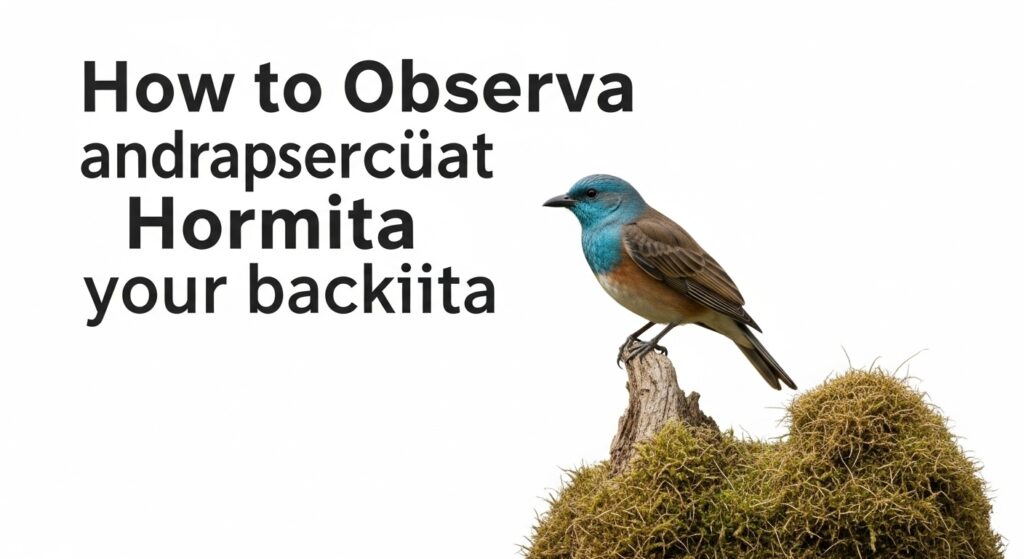
Have you ever looked closely at your backyard and noticed the quiet hustle and bustle of life? Among the rustling leaves and blooming flowers, there’s a hidden gem waiting to be discovered: Hormita. This term may not yet ring a bell for many, but its significance in our gardens is profound. By tuning into this natural phenomenon, we can cultivate a vibrant ecosystem right outside our doors.
In this blog post, we’ll explore what Hormita is all about and why it deserves your attention. From creating inviting habitats to observing fascinating behaviors, you’ll find that appreciating Hormita is an enriching experience that transforms how you see your outdoor space. Get ready to embark on an adventure that connects you with nature in ways you’ve never imagined!
Understanding Hormita and Its Importance
Hormita represents a vital aspect of our natural surroundings. It encompasses various organisms and their interactions, forming an intricate web of life in your backyard. This phenomenon is more than just a collection of creatures; it reflects the health and balance of ecosystems.
Understanding Hormita allows us to appreciate the diversity that thrives right outside our windows. Each organism plays a role, from pollinators like bees to soil enrichers such as earthworms. Their combined efforts lead to flourishing plant life and improved air quality.
Recognizing Hormita also highlights the need for conservation. As we disrupt habitats through urbanization or pollution, these delicate relationships can be threatened. By valuing Hormita, we take steps towards nurturing biodiversity and fostering sustainable practices in our own spaces.
The Role of Hormita in Your Backyard Ecosystem
Hormita play a vital role in maintaining balance within your backyard ecosystem. These tiny creatures contribute significantly to soil health, enhancing its structure and nutrient content. As they burrow through the earth, they aerate the soil, allowing water and nutrients to reach plant roots more effectively.
The presence of Hormita can also attract beneficial insects and other wildlife. Birds, for example, rely on them as a food source while helping with pest control by consuming harmful insects that may threaten your plants.
Additionally, Hormita participate in decomposition processes. By breaking down organic matter like fallen leaves and dead plants, they recycle nutrients back into the soil. This cycle promotes healthy plant growth and supports overall biodiversity in your outdoor space.
Understanding their role illuminates how interconnected all elements are within your garden environment. Observing these interactions offers valuable insights into nurturing a thriving ecosystem right at home.
Identifying Different Types of Hormita
Identifying the different types of Hormita can be a delightful challenge. Each type showcases unique characteristics that contribute to your backyard’s charm.
Start by looking at size variations. Some Hormitas are small, often blending in with their surroundings. Others may stand out due to their larger stature. Color also plays a crucial role—shades range from deep greens to vibrant reds, depending on the species.
Pay attention to texture as well. Smooth surfaces can indicate one type, while rough or spiky features might belong to another.
Seasonality is another key factor; some Hormitas flourish in spring and summer, while others take center stage during fall and winter months.
Use guides or apps for easier identification while enjoying your outdoor space. Observing these details enhances your appreciation for each variety and supports better care practices too!
Tips for Creating a Hormita-Friendly Environment
Creating a Hormita-friendly environment starts with the right plants. Choose native flora that attracts these fascinating creatures. They thrive on local species, which provide them food and shelter.
Next, consider adding natural elements like rocks and logs. These structures can serve as perfect hiding spots for Hormita while also enhancing the aesthetic of your yard.
Water is essential too. A small pond or birdbath can offer hydration and attract various insects, enriching their habitat further.
Limit pesticide use to protect the delicate balance of your ecosystem. Natural pest control methods are not only safer but also encourage more diverse wildlife interactions.
Create quiet spaces away from noise and disturbance where Hormita can flourish without interruption. Embracing a peaceful atmosphere supports their presence in your backyard beautifully.
Activities to Observe and Appreciate Hormita in Your Backyard
Settle into a cozy spot in your backyard and grab a good pair of binoculars. Watching Hormita can be an exciting way to connect with nature.
Create a simple observation journal. Jot down the different types of Hormita you see, their behaviors, and any interactions they have with other creatures. This will help deepen your appreciation for these fascinating beings.
Consider setting up a small feeding station or water source. Not only does this attract various species but it gives you the chance to observe them up close.
Photography is another engaging activity. Capture those moments when Hormita are in action—whether they’re building nests or interacting with plants.
Invite friends or family for an informal “Hormita Day.” Share your findings and experiences while enjoying each other’s company outdoors. These shared moments can foster a deeper understanding of nature within everyone involved.
Benefits of Encouraging Hormita in Your Backyard
Encouraging Hormita in your backyard brings a wealth of benefits to both the environment and your personal space. These small creatures play a vital role in pollination, helping plants flourish and produce vibrant blooms.
Additionally, Hormita contribute to pest control. By attracting natural predators, they can help maintain a balanced ecosystem that reduces the need for chemical pesticides.
Their presence also enriches the soil. As they burrow and forage, they aerate the ground and promote nutrient cycling. This leads to healthier plants overall.
Moreover, observing these fascinating beings can be an enlightening experience for families. It fosters an appreciation for nature and inspires children to learn more about biodiversity.
Creating a harmonious habitat not only supports them but enhances your outdoor enjoyment as well. The simple act of nurturing Hormita opens doors to numerous ecological advantages while elevating the beauty of your backyard sanctuary.
Conclusion
Hormita plays a crucial role in maintaining the balance of your backyard ecosystem. By understanding and appreciating these remarkable organisms, you contribute to a healthier environment for all living things around you.
Creating a Hormita-friendly space fosters biodiversity and encourages the presence of various species. Whether it’s through planting native flora or providing shelters, every little effort counts towards nurturing this essential part of nature.
Engaging in activities that allow you to observe Hormita can deepen your connection with the natural world. From quiet moments spent watching their interactions to documenting their behaviors, you’ll find joy in both learning and appreciating them.
The benefits extend beyond mere observation; encouraging Hormita enriches your garden while enhancing its beauty. You’ll notice improved pollination, pest control, and an overall thriving landscape right outside your door.
So take some time to appreciate what Hormita brings not just to your backyard but also to our planet as a whole. Embrace their presence and play an active role in supporting these tiny yet significant creatures within your own green oasis.