
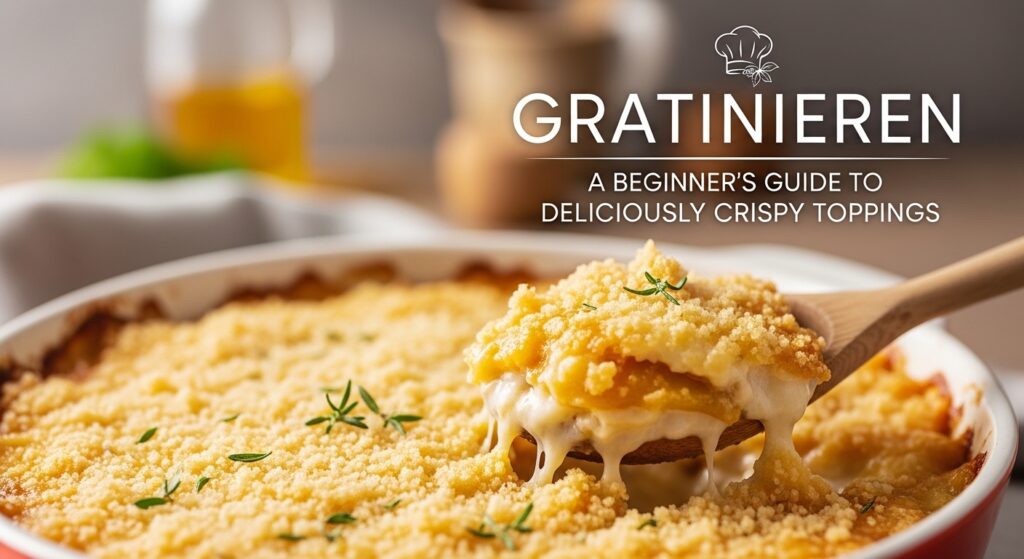
Are you ready to elevate your culinary game? If so, let’s dive into the delightful world of gratinieren. Imagine creamy layers of goodness topped with a crisp, golden crust that’s simply irresistible. This cooking technique transforms ordinary ingredients into extraordinary dishes that are sure to impress. Whether you’re preparing a cozy family dinner or hosting friends for a gathering, mastering gratinieren will add flair and flavor to your meals. So grab your apron and let’s explore everything from its rich history to mouthwatering recipes and tips for achieving those perfect crispy toppings!
What is Gratinieren?
Gratinieren, a culinary term derived from the French word “gratin,” refers to a cooking technique that involves browning a dish’s top layer. This method creates an appealing contrast between creamy textures and crispy toppings.
Typically, ingredients are baked in a shallow dish with some form of sauce or liquid. The magic happens when you sprinkle breadcrumbs, cheese, or nuts on top before placing it under high heat. The result is a beautifully golden crust that locks in moisture while adding delightful crunch.
The versatility of gratinieren allows for endless creativity. You can use vegetables, pasta, seafood, or even meat as your base. Each choice offers unique flavors and textures waiting to be discovered through this delicious technique. With just the right balance of ingredients and careful attention to cooking time, anyone can achieve satisfying results that elevate any dining experience.
The History of Gratinieren
Gratinieren has its roots in French cuisine, deriving from the word “gratin,” which refers to a dish topped with a browned crust. This cooking method dates back to the 18th century and became popular for its ability to transform simple ingredients into decadent meals.
Originally, gratins were made using leftover vegetables or starches, often baked alongside cheese or breadcrumbs. The Maillard reaction—the browning of proteins—enhanced flavors while creating that sought-after crispy texture.
As culinary practices spread across Europe, different cultures adapted gratinieren techniques. Each region brought unique ingredients and styles; from potato gratin in France to Italian pasta al forno.
This technique not only showcases creativity but also highlights resourcefulness in the kitchen. Gratins turned everyday meals into comforting dishes that bring warmth and satisfaction.
Techniques for Perfectly Crispy Toppings
Achieving that perfect crispy topping is an art. Start with the right ingredients. A mix of breadcrumbs, cheese, and herbs can create a delightful crunch.
Moisture control is crucial. Ensure your base dish isn’t too watery before adding the topping. Excess liquid will hinder crispiness.
Baking at high temperatures helps achieve golden perfection. Preheat your oven to around 400°F (200°C). This intense heat caramelizes sugars in toppings quickly.
Don’t forget about broiling! For that final touch, switch to broil for a couple of minutes at the end. Just watch closely; it can go from golden to burnt in seconds.
Experimenting with oils adds flavor and texture as well. Drizzling olive oil or melted butter over the top enhances both taste and crunchiness.
Let your gratin rest briefly after baking before serving. This allows steam to escape and keeps it crispy longer on your plate.
Classic Gratin Recipes
When it comes to classic gratin recipes, few can rival the timeless allure of potato gratin. Thinly sliced potatoes layered with creamy béchamel and topped with golden cheese create a comforting dish that warms the heart.
Another favorite is the classic French onion gratin. Caramelized onions swim in rich broth, finished off with crusty bread and melted Gruyère on top. Each spoonful offers a delightful mix of sweetness and savory goodness.
Don’t forget about vegetable gratins. Baked broccoli or cauliflower under a breadcrumb topping makes for an excellent side dish full of flavor. The crunch contrasts beautifully with tender veggies.
We have seafood gratins like lobster mac and cheese. Imagine succulent pieces of lobster mingling in creamy pasta, all crowned with a crispy layer of breadcrumbs—pure decadence!
Creative Variations on Gratin Toppings
Experimenting with toppings can elevate your gratin game to new heights. Instead of the classic cheese, consider blending breadcrumbs with herbs and spices for a flavor-packed crunch.
Nuts like almonds or hazelnuts add an unexpected twist and delightful texture. Try grinding them finely before mixing into your topping for even distribution.
For a Mediterranean flair, incorporate feta cheese mixed with sun-dried tomatoes and olives. This combination brings brightness that pairs beautifully with roasted vegetables.
Don’t shy away from sweet options either! A blend of caramelized onions topped with goat cheese offers a unique contrast that will surprise your taste buds.
Consider adding seasonal ingredients as well; pumpkin seeds in fall or fresh basil during summer can make your dish shine in different ways throughout the year. The possibilities are endless when it comes to creative variations on gratin toppings!
Tips for Serving and Pairing with Gratin
Serving gratin is all about presentation and pairing. Use a shallow dish to showcase that beautiful golden crust. A sprinkle of fresh herbs like parsley or chives can elevate the dish visually and add a burst of freshness.
When it comes to sides, consider balancing rich gratins with lighter accompaniments. A simple green salad dressed with lemon vinaigrette works wonders against the creamy texture. For heartier meals, roasted vegetables or steamed greens complement well.
Wine pairing is equally important. A crisp white wine, such as Sauvignon Blanc, enhances flavors without overwhelming them. If you’re leaning towards a meat-based gratin, try a light red like Pinot Noir for an ideal match.
Don’t forget to serve it hot from the oven! This ensures every bite maintains that perfect crispy topping while keeping the interior deliciously warm and inviting.
Conclusion
Gratinieren is more than just a cooking technique; it’s an art form that elevates your dishes to new heights. With its roots steeped in history, this method has evolved into a beloved culinary practice across the globe. Perfecting crispy toppings takes some practice, but with the right techniques and recipes, anyone can master it.
Whether you’re sticking to classic gratins or experimenting with creative variations, there’s room for personalization and experimentation in every dish. Pairing your gratin creations with complementary sides enhances the overall dining experience.
As you venture into the world of gratinieren, remember that each attempt brings you closer to mastering those deliciously crispy toppings. Enjoy exploring different ingredients and flavors as you develop your own signature touch!