
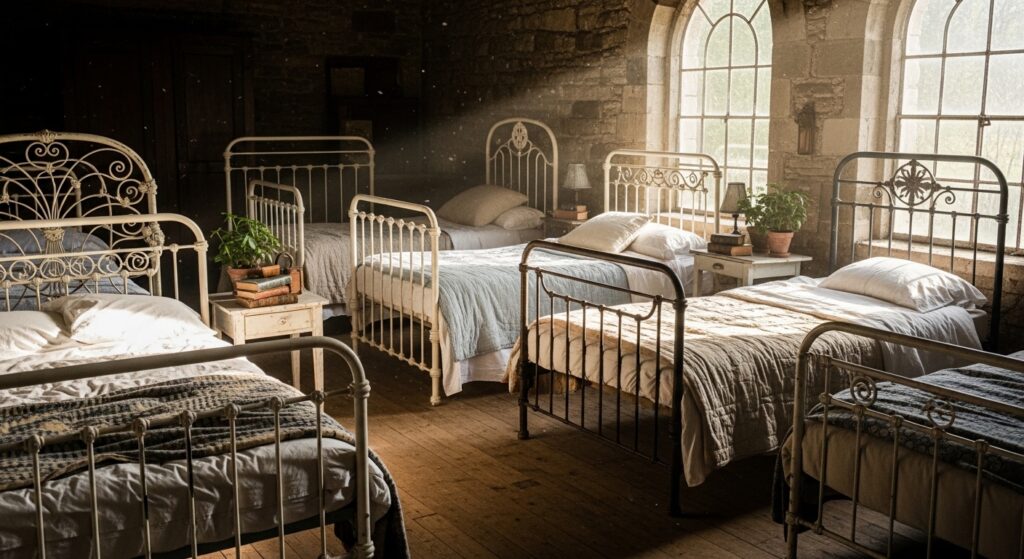
Furniture plays an important role in shaping the comfort, functionality, and aesthetic of our living spaces. Among the many types of furniture that have stood the test of time, jernsenger hold a special place in both history and modern design. The term refers to iron beds, a style of bed frame made primarily from metal materials such as iron or steel. Known for their durability, elegant appearance, and historical significance, jernsenger continue to be appreciated in homes around the world.
What Does Jernsenger Mean?
The word jernsenger comes from Scandinavian languages, particularly Danish and Norwegian. It is made up of two parts:
- Jern, which means iron
- Senger, which means beds
Together, the term literally translates to “iron beds.” These beds are characterized by metal frames that replace traditional wooden structures. The frames often include decorative headboards, footboards, and metal rods that provide both structural support and visual appeal.
Jernsenger were once extremely common in households, hospitals, and institutions because they offered a strong and hygienic alternative to wooden furniture.
The History of Jernsenger
The rise of iron beds dates back to the 19th century, during a time when industrial manufacturing was expanding rapidly. As factories developed new techniques for shaping and molding metal, furniture makers began experimenting with iron as a material for household items.
Before iron beds became common, most beds were made from wood. While wooden beds were functional, they had several disadvantages. They could be damaged by insects, moisture, or wear over time. Iron beds, however, offered a stronger and more durable alternative.
Because iron frames were easier to clean and maintain, they quickly became popular in urban homes and institutions. Hospitals and boarding houses especially favored jernsenger due to their hygienic properties and long lifespan.
Design Features of Jernsenger
One of the reasons iron beds remain popular is their distinctive design. Although styles vary depending on the era and manufacturer, most jernsenger share several key characteristics.
Metal Frame Construction
The most defining feature of jernsenger is their metal structure. The bed frame, headboard, and footboard are usually made from iron or steel, giving the bed exceptional strength.
Decorative Metalwork
Many traditional iron beds include intricate metal designs. These may feature curved lines, loops, or floral patterns that add elegance to the furniture.
Vertical or Horizontal Bars
The headboard and footboard often include metal bars arranged vertically or horizontally. These bars contribute to the bed’s structure while also enhancing its visual style.
Protective Finishes
Iron beds are typically painted or coated to prevent rust and corrosion. Common finishes include white, black, bronze, and antique-style metallic tones.
Why Jernsenger Became Popular
There are several reasons why iron beds became widely used during the late 19th and early 20th centuries.
Durability
Iron beds are extremely strong and can last for decades. Unlike wooden frames that may crack or weaken over time, metal frames maintain their structural integrity with proper care.
Hygiene
In the past, concerns about cleanliness and disease were significant, especially in crowded living spaces. Iron beds were easier to clean than wooden furniture and were less likely to harbor pests.
Fire Resistance
Because they are made from metal, iron beds do not burn easily. This made them safer in environments where fire hazards were a concern.
Affordability
As industrial manufacturing expanded, iron beds became more affordable and accessible to the general public.
Jernsenger in Hospitals and Institutions
Hospitals and public institutions played a major role in the widespread adoption of jernsenger. Medical facilities needed furniture that was strong, easy to disinfect, and capable of supporting patients safely.
Iron beds met these requirements perfectly. Their metal surfaces could be cleaned thoroughly, reducing the risk of contamination. Additionally, their sturdy frames allowed hospitals to use them for long periods without frequent replacements.
Dormitories, military barracks, and boarding schools also used iron beds because they could withstand heavy use.
Jernsenger in Modern Interior Design
Although many modern beds are now made from wood or engineered materials, iron beds have never disappeared from interior design. In fact, they have experienced a revival in recent years as homeowners seek furniture with character and durability.
Vintage and Antique Styles
Many interior designers use iron beds to create vintage-inspired bedrooms. The classic metal frames add charm and historical character to a room.
Minimalist Designs
Some modern iron beds feature simple and clean lines, making them suitable for minimalist interiors.
Industrial Decor
Iron furniture fits perfectly into industrial-style homes that emphasize raw materials such as metal, concrete, and exposed brick.
Farmhouse Aesthetics
Rustic farmhouse interiors often incorporate iron beds because they evoke a sense of tradition and simplicity.
Advantages of Choosing Jernsenger Today
Even in the modern era, iron beds offer several advantages compared to other types of bed frames.
Long Lifespan
Iron beds can last for generations if maintained properly. Many antique jernsenger are still in use today.
Strong Support
The metal frames provide excellent support for mattresses and sleepers.
Timeless Appearance
Unlike trendy furniture styles that may become outdated, iron beds maintain a classic appearance that works with many interior styles.
Low Maintenance
Iron beds require relatively little maintenance. Occasional cleaning and rust prevention are usually sufficient.
Caring for Jernsenger
To ensure that iron beds remain in good condition, proper care is important.
Regular Cleaning
Dust and dirt should be wiped away using a soft cloth. Mild cleaning solutions can be used if necessary.
Preventing Rust
If the paint or coating becomes damaged, the exposed metal should be repainted to prevent rust from forming.
Checking Structural Parts
Bolts, screws, and joints should be checked occasionally to ensure that the frame remains secure.
With proper care, iron beds can remain functional and attractive for many decades.
Sustainability and Iron Furniture
Sustainability has become an important factor in furniture choices today. Durable furniture that lasts for many years helps reduce waste and environmental impact.
Iron beds contribute to sustainability in several ways:
- They have a long lifespan
- They can be repaired instead of replaced
- Metal materials are often recyclable
Because of these benefits, many people view jernsenger as an environmentally responsible furniture choice.
Cultural and Historical Value
In many households, antique iron beds are treasured heirlooms passed down through generations. These pieces represent craftsmanship from earlier eras and often carry sentimental value.
Restoring and preserving vintage jernsenger allows families to maintain a connection to their history while continuing to use practical and beautiful furniture.
Conclusion
Jernsenger, or iron beds, represent a remarkable blend of durability, practicality, and timeless design. Originating during the industrial expansion of the nineteenth century, these beds quickly became popular for their strength, hygiene, and affordability.
Today, they remain valued for their classic aesthetic, versatility in interior design, and long lifespan. Whether used in vintage bedrooms, modern minimalist spaces, or rustic farmhouse interiors, iron beds continue to prove that traditional furniture can remain relevant in contemporary homes.
The enduring appeal of jernsenger shows how well-crafted furniture can transcend generations, offering both beauty and functionality for years to come.