
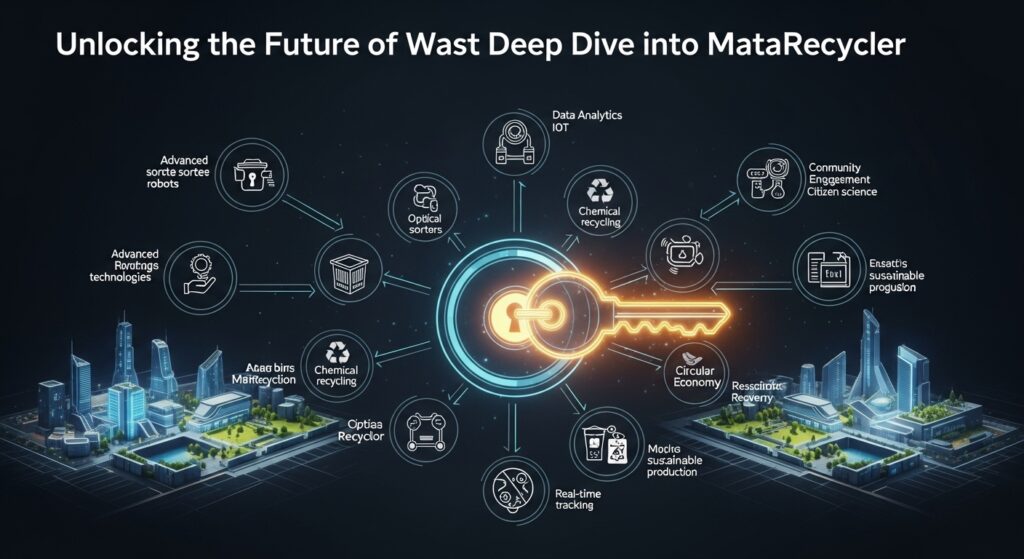
Waste management is one of the most pressing challenges we face today. As urban populations grow and consumer habits evolve, our landfills are overflowing, and pollution levels continue to rise. This crisis not only threatens our environment but also impacts public health and quality of life.
But what if there was a solution that could revolutionize how we handle waste? Enter MataRecycler—a groundbreaking innovation poised to transform waste management as we know it. By harnessing cutting-edge technology and innovative approaches, MataRecycler aims to tackle these issues head-on while paving the way for a cleaner, greener future. Let’s dive into the world of waste management and explore how this remarkable system works!
The Impact of Waste on the Environment and Society
Waste management is a pressing concern that affects both our environment and society. Every year, millions of tons of waste end up in landfills, polluting the soil and water sources. This contamination contributes to long-term ecological damage.
Plastic waste poses a significant threat as it breaks down into microplastics, entering food chains and impacting wildlife health. The effects ripple through ecosystems, disrupting habitats for countless species.
On a societal level, inadequate waste management can lead to public health issues. Communities near overflowing landfills often face higher rates of respiratory diseases and other health complications due to poor air quality.
Moreover, visual pollution from littered streets diminishes community pride and can harm local economies by deterring tourism. As we grapple with these challenges, innovative solutions are urgently needed to create cleaner environments for future generations.
Introducing MataRecycler: What is it and How Does it Work?
MataRecycler emerges as a groundbreaking solution in the realm of waste management. This innovative platform leverages advanced technology to streamline recycling processes.
At its core, MataRecycler connects individuals and businesses with local recycling facilities. Users can easily identify what materials are recyclable and locate nearby drop-off points or collection services. The app simplifies sorting by providing clear guidelines on various waste types.
Moreover, MataRecycler incorporates real-time data analytics. This feature helps track recycling patterns within communities, enabling better resource allocation and education about sustainable practices.
The user-friendly interface encourages engagement from all demographics. Gamification elements motivate users to recycle more effectively while fostering a sense of community responsibility towards the environment.
With its intuitive design and powerful capabilities, MataRecycler is set to redefine how we approach waste disposal in our daily lives.
Advantages of Using MataRecycler
MataRecycler brings a fresh approach to waste management. One of its standout advantages is automation. By streamlining the sorting process, it saves time and labor costs.
Another benefit is enhanced recycling rates. MataRecycler efficiently separates recyclables from general waste, ensuring that valuable materials are not lost in landfills.
The platform also promotes sustainability. By reducing landfill dependency, it helps lower greenhouse gas emissions significantly.
User-friendliness is another key feature. Its intuitive interface makes it accessible for both businesses and communities eager to improve their waste practices.
MataRecycler fosters community engagement. It encourages local participation in recycling initiatives, creating awareness about sustainable practices while driving positive change within neighborhoods and cities alike.
Success Stories and Real-Life Examples
Communities around the globe are embracing MataRecycler, and the results have been remarkable. In a small town in Italy, for example, residents implemented this innovative solution to manage their recycling efforts more effectively. Within months, they saw a 50% reduction in landfill waste.
A city in Canada adopted MataRecycler as part of its smart waste management initiative. Sensors integrated with the system allowed real-time monitoring of bin fill levels. This not only improved collection efficiency but also lowered operational costs by 30%.
In India, a startup utilized MataRecycler technology to tackle e-waste challenges. By partnering with local businesses and schools, they created awareness about proper disposal methods while successfully recycling over 1 million electronic devices within one year.
These stories illustrate how diverse communities are transforming their waste management practices through creativity and collaboration using MataRecycler’s cutting-edge approach.
Potential Challenges and Limitations
While MataRecycler offers an innovative approach to waste management, it is not without its challenges. One significant limitation lies in the initial cost of implementation. Communities may struggle with budget constraints when investing in new technology.
Another hurdle is user adoption. For successful operation, public engagement is crucial. If residents don’t fully embrace the system or understand how to use it effectively, its benefits diminish.
Additionally, technical issues can arise during operation. From software bugs to mechanical failures, these disruptions can hinder efficiency and reliability.
Regulatory hurdles also pose a challenge. Navigating complex waste management laws varies by region and could slow down deployment efforts for MataRecycler systems.
There’s the need for continuous education and training around best practices in waste sorting and disposal methods to maximize effectiveness over time.
The Future of Waste Management with MataRecycler
The future of waste management is bright with MataRecycler leading the way. This innovative platform utilizes cutting-edge technology to transform how we handle waste.
Imagine a world where recycling isn’t just an afterthought but seamlessly integrated into daily life. With MataRecycler, smart sorting systems identify recyclable materials efficiently, reducing contamination rates and increasing recovery efficiency.
Cities adopting this system can expect cleaner streets and reduced landfill burdens. Communities are empowered to engage in environmentally friendly practices effortlessly.
Furthermore, data analytics play a crucial role in optimizing waste collection routes and schedules, minimizing carbon footprints even further. The potential for collaboration between businesses and local governments opens doors for more sustainable initiatives.
MataRecycler not only addresses current challenges but also anticipates future needs in waste management, paving the path toward a circular economy where nothing goes to waste.
Conclusion
Waste management is a pressing issue that demands innovative solutions. MataRecycler emerges as a beacon of hope in this landscape, offering advanced technology to tackle the challenges of waste disposal and recycling. Its unique approach not only streamlines processes but also promotes sustainability.
By harnessing the power of automation and data analytics, MataRecycler presents an opportunity for communities to reduce their environmental footprint effectively. The success stories from various regions illustrate its potential, showcasing how effective waste management can lead to cleaner cities and healthier ecosystems.
While there are hurdles to overcome, such as initial investment costs and public adoption rates, the benefits far outweigh these challenges. As we continue moving toward more sustainable practices, technologies like MataRecycler will be pivotal in shaping the future of waste management.
The journey ahead involves collaboration between governments, businesses, and individuals committed to embracing change for a greener planet. Each step taken towards implementing smarter waste solutions brings us closer to achieving environmental harmony and societal well-being. Embracing innovations like MataRecycler can redefine our relationship with waste—transforming it from a burden into valuable resources for tomorrow’s world.