
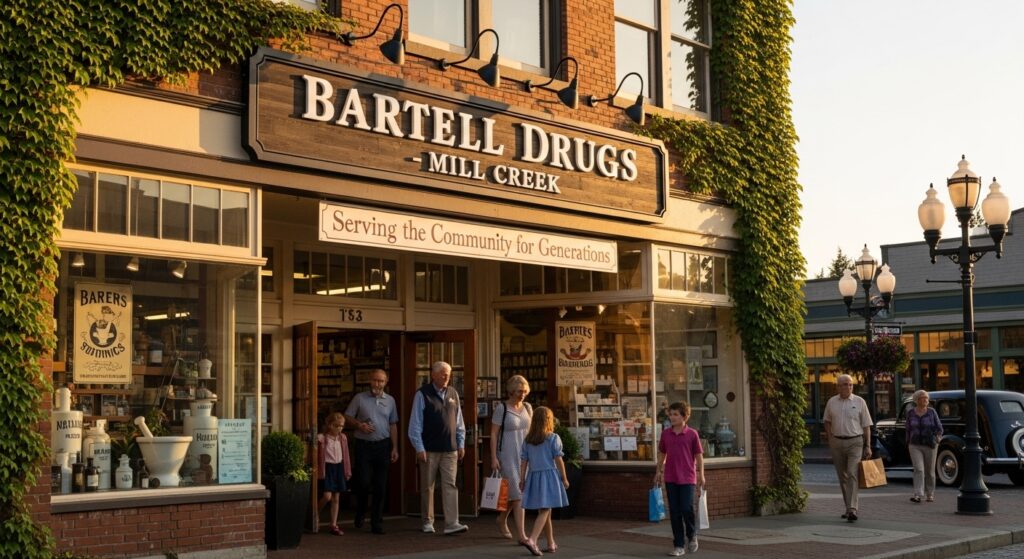
For decades, neighborhood pharmacies have played an essential role in American communities. They are more than just places to fill prescriptions—they are trusted locations where people receive health advice, purchase daily essentials, and connect with familiar faces. One such location that served its community for years was the Bartell Drugs – Mill Creek store in Washington.
Part of a historic pharmacy chain founded in the Pacific Northwest, this location represented the long-standing tradition of community-focused healthcare and retail service. Although the store eventually closed as part of wider industry changes, its legacy remains tied to the people and neighborhoods it once served.
The Legacy of Bartell Drugs
Bartell Drugs was one of the oldest and most recognizable pharmacy chains in the Pacific Northwest. The company was founded in 1890 by George H. Bartell in Seattle, making it a beloved regional institution for over a century. For generations, residents relied on Bartell stores not only for medications but also for everyday household goods and community-centered service.
Unlike many national pharmacy chains, Bartell Drugs built its reputation by emphasizing local culture and regional products. The stores often carried items made by local companies, helping support small businesses across Washington.
Over time, the brand expanded to dozens of locations throughout the Seattle metropolitan area, including the Mill Creek community.
The Bartell Drugs – Mill Creek Location
The Bartell Drugs store serving the Mill Creek area operated in Snohomish County, Washington. One of the addresses associated with the location was 15520 Mill Creek Blvd in Bothell, which served nearby residents for many years.
This store became an important neighborhood destination for people seeking both pharmacy services and general retail items. Many customers visited the store regularly for prescriptions, seasonal products, and everyday essentials.
The Mill Creek location reflected the typical layout and experience found in Bartell stores across the region.
Services Offered at Bartell Drugs – Mill Creek
Like other stores in the chain, the Mill Creek location provided a wide range of services designed to meet community healthcare and retail needs.
Pharmacy Services
The pharmacy department was the core of the store’s operations. Pharmacists worked closely with patients and healthcare providers to ensure safe and effective medication use.
Typical pharmacy services included:
-
Prescription filling and refills
-
Medication consultations
-
Vaccinations and immunizations
-
Over-the-counter medications
-
Health advice from licensed pharmacists
Many customers valued the personalized service provided by pharmacists who often knew their patients by name.
Health and Wellness Products
In addition to prescriptions, the store carried a wide selection of health and wellness items. These products helped customers manage everyday health concerns and maintain healthy lifestyles.
Common items included:
-
Vitamins and supplements
-
First aid supplies
-
Personal care products
-
Cold and flu medications
-
Medical equipment such as thermometers and blood pressure monitors
These products made the store a convenient destination for health-related purchases.
Everyday Convenience Items
Bartell Drugs stores were also known for offering a variety of general retail goods. The Mill Creek location provided customers with items such as:
-
Snacks and beverages
-
Greeting cards
-
Beauty and skincare products
-
Household supplies
-
Seasonal merchandise
This combination of pharmacy and convenience retail helped create a one-stop shopping experience for many customers.
Local and Regional Products
One of the unique aspects of Bartell Drugs stores was their support for regional brands. Many locations stocked popular Pacific Northwest items such as specialty snacks and chocolates from local manufacturers.
This focus on regional products helped distinguish Bartell Drugs from larger national chains.
A Community-Oriented Store
For many residents, the Mill Creek Bartell Drugs store represented more than just a place to shop. It was part of daily life.
Customers often formed long-term relationships with pharmacists and staff members. Parents brought their children for vaccinations, families filled prescriptions after doctor visits, and neighbors picked up last-minute items before heading home.
Community pharmacies like Bartell Drugs often serve as informal gathering points where residents feel comfortable asking questions and receiving trusted advice.
The personal touch provided by staff members helped foster loyalty among customers.
Changes in the Pharmacy Industry
In recent years, the pharmacy industry has undergone significant changes due to economic pressures, competition, and shifts in consumer behavior.
Several factors contributed to the challenges faced by traditional pharmacy chains:
Corporate Consolidation
In 2020, Bartell Drugs was acquired by the national pharmacy company Rite Aid. The acquisition was intended to strengthen Rite Aid’s presence in the Pacific Northwest market.
However, corporate integration sometimes changes the operational structure of local businesses.
Rising Costs
Pharmacies have faced increasing costs related to healthcare regulations, supply chains, and insurance reimbursement systems.
These financial pressures have made it difficult for some stores to remain profitable.
Online Retail Competition
The growth of online pharmacies and digital healthcare services has also impacted traditional brick-and-mortar pharmacies.
Many customers now order medications and health products online, reducing foot traffic in physical stores.
Bankruptcy and Store Closures
Rite Aid later experienced financial difficulties and filed for bankruptcy. As part of restructuring efforts, several Bartell Drugs locations were closed across Washington state.
Eventually, the remaining stores, including the Mill Creek location, closed as part of a broader liquidation of the historic chain.
The Closure of the Mill Creek Store
The closure of the Mill Creek Bartell Drugs store marked the end of a long chapter for the local community.
At the time of the final shutdown in 2025, only a few Bartell stores remained open, including locations in Mill Creek, Kirkland, and Gig Harbor. These were the last stores operating after the company’s financial struggles and corporate transitions.
Shoppers visiting the stores during their final days often found shelves nearly empty as liquidation sales cleared out the remaining inventory.
For many longtime customers, the closure symbolized the end of a familiar neighborhood institution.
Community Reaction
The closure of Bartell Drugs stores across Washington sparked strong reactions from local residents.
Many people expressed sadness over losing a pharmacy that had been part of their lives for decades. For some families, Bartell Drugs had been their primary pharmacy for generations.
Community members often described the stores as:
-
Friendly and welcoming
-
Reliable sources of healthcare advice
-
Important parts of neighborhood identity
The loss of such stores also raised concerns about reduced access to pharmacies in certain communities.
The Importance of Local Pharmacies
The story of Bartell Drugs – Mill Creek highlights the important role that community pharmacies play in public health.
Local pharmacies provide:
-
Convenient access to medications
-
Preventive healthcare services
-
Trusted medical guidance
-
Quick support during illnesses
In many communities, pharmacists are among the most accessible healthcare professionals.
Even as the retail pharmacy industry evolves, the need for community-focused healthcare services remains strong.
Lessons from the Bartell Drugs Story
The history of Bartell Drugs offers several important lessons about business, healthcare, and community relationships.
The Value of Local Identity
Bartell Drugs built a loyal customer base by emphasizing regional products and personalized service.
The Impact of Corporate Changes
Acquisitions and corporate restructuring can significantly alter long-standing businesses.
The Changing Retail Landscape
Digital technology and online commerce continue to reshape how people purchase healthcare products.
Despite these changes, the memory of neighborhood stores like Bartell Drugs continues to shape how communities perceive healthcare accessibility.
Conclusion
The Bartell Drugs – Mill Creek store was once a vital part of the local community, offering pharmacy services, everyday essentials, and trusted healthcare advice to residents. As part of the historic Bartell Drugs chain founded in 1890, the store represented a tradition of neighborhood-focused service that lasted for more than a century.
Although the Mill Creek location ultimately closed during broader industry changes and corporate restructuring, its impact on the community remains significant. Many residents still remember the friendly staff, convenient services, and sense of familiarity that the store provided.
The story of Bartell Drugs is a reminder of how local businesses can shape community life and why neighborhood pharmacies continue to play an important role in healthcare systems today.